
What Is Dermal Filler (Gel) Injection
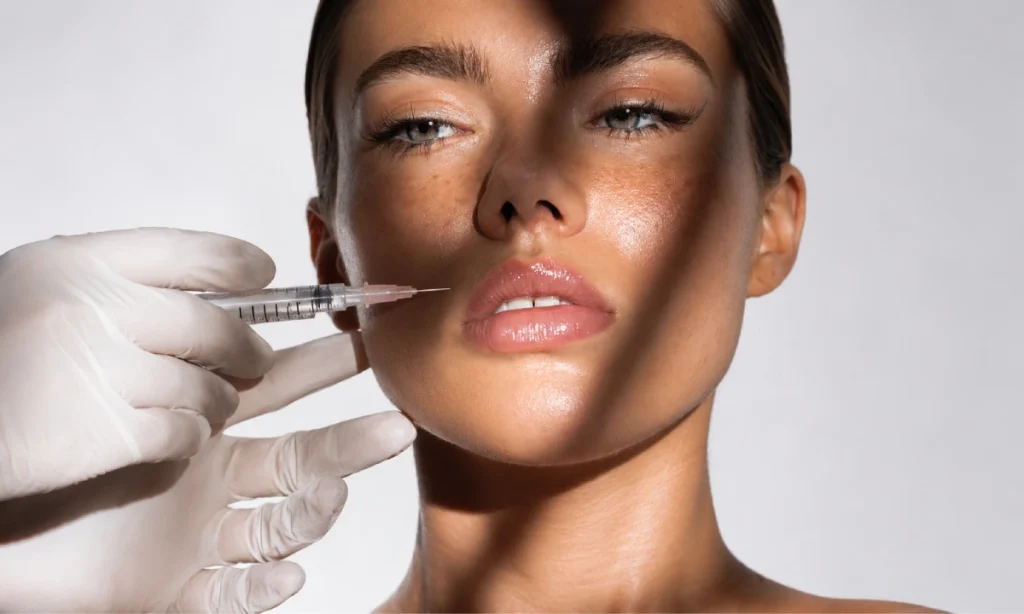
A dermal filler injection, also known as gel injection, is a cosmetic procedure in which a gel-like substance is injected into the deeper layers of the skin to replace lost volume, fill in lines, and refine the contours of the face. The most common type of filler is based on hyaluronic acid — a substance that naturally exists in the human body and is responsible for retaining moisture and keeping the skin fresh.
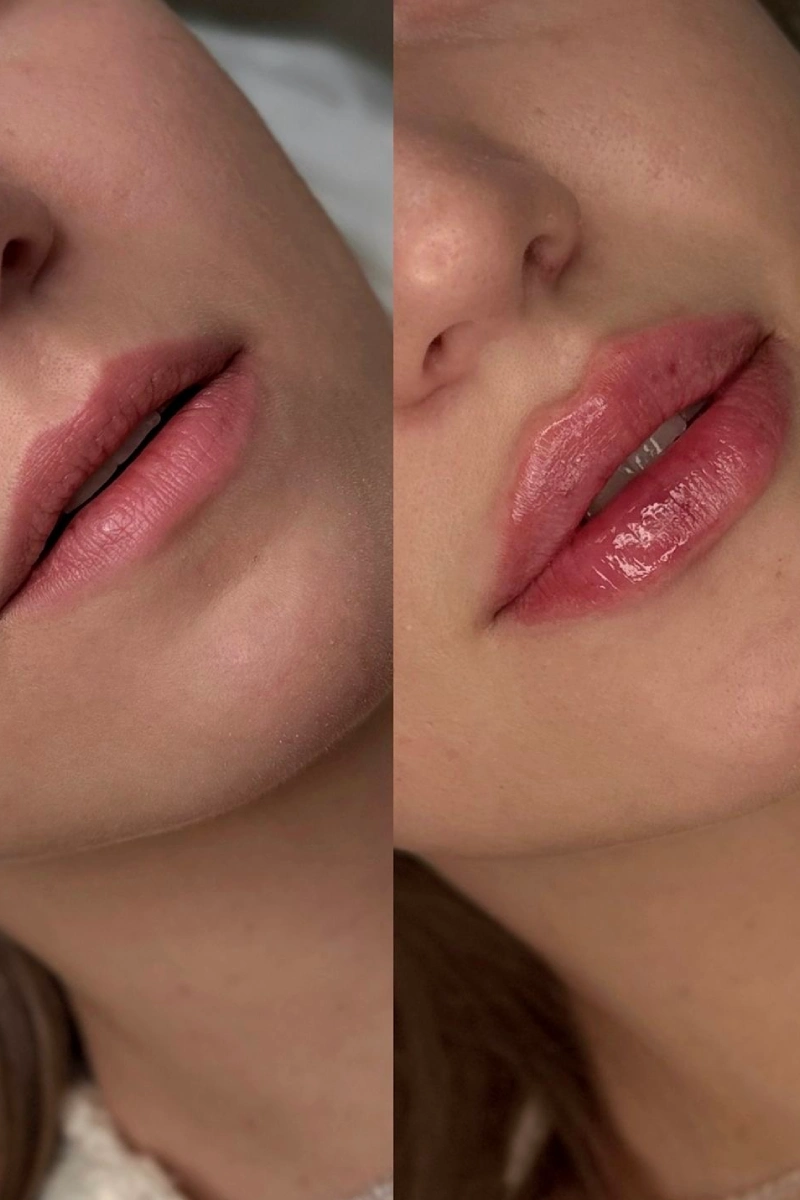
Contrary to popular belief, fillers aren’t just for “plumping the lips.” This method has a wide range of applications, from adding volume to the cheeks to reshaping the nose and chin, and its results are visible immediately after injection.
How Does Dermal Filler Work?
The injected gel settles beneath the skin and fills the empty space in the tissue. Hyaluronic acid–based fillers, in addition to providing physical volume, have the ability to attract and hold water; this is why the treated area looks more hydrated and radiant.
Gradually, over a period of several months to a year, the body slowly absorbs this substance and its effect diminishes. This natural biodegradability is one of the key advantages of hyaluronic fillers, because in case of dissatisfaction it can be reversed using an enzyme called hyaluronidase.
The Best Dermal Filler Clinic in dubai
The choice of clinic has a direct impact on the result and safety of a filler injection. The physician’s skill, a precise understanding of facial anatomy, and the use of genuine, certified fillers make the difference between a natural-looking result and a disproportionate one.
When choosing a clinic, pay attention to the following:
- The physician’s expertise and experience in cosmetic procedures and injectables
- The authenticity and traceability of the filler brand
- Adherence to sterile and hygienic standards within the clinic
- A transparent pre-treatment consultation with a realistic explanation of the results
Relying on a precise understanding of facial anatomy and the use of reputable fillers, Dr. Ali clinic focuses on achieving a natural result tailored to each individual’s facial structure.
What Are Dermal Fillers Used For?
Dermal fillers go beyond a simple touch-up and can improve the overall balance and harmony of the face. Their most important applications fall into two main categories.
Volumizing and Facial Contouring
With age or due to genetic structure, certain areas of the face lose volume. Fillers can give the cheeks a natural lift, define the shape of the chin, and make the jawline appear more sculpted. This type of volumizing, sometimes called “non-surgical contouring,” makes the face look younger and fresher without the need for surgery.
Correcting Facial Lines and Facial Symmetry
Laugh lines, the creases around the mouth, and hollows under the eyes are among the issues that can be corrected with fillers. In addition, in cases where minor asymmetry exists in the face, precise filler injection can restore visual balance and create a more harmonious appearance.
A Review and Comparison of Filler Types and Their Longevity
Not all fillers are the same. They differ in their material, how they work, and how long they last, and selecting the right type is up to the physician based on the goal of the treatment.
Polymethyl Methacrylate (PMMA)
This type of filler consists of semi-permanent microparticles that are injected alongside collagen. PMMA is not absorbed, which is why it has a very long-lasting effect. This same characteristic makes it a sensitive choice, because correcting or reversing its result is difficult, and it is generally used only in specific cases and by experienced physicians.
Hyaluronic Acid (HA) Filler
The most widely used and popular type of filler is this category. Thanks to its high compatibility with the body, its natural result, and its reversibility (with hyaluronidase), hyaluronic acid is considered a safe and flexible option. Its longevity is usually between 6 and 18 months, which varies depending on the type of product and the area of injection.
Poly-L-Lactic Acid (PLLA)
Rather than providing immediate filling, this filler stimulates the body to produce natural collagen. For this reason, its result is gradual and becomes visible over several weeks, but in return it lasts longer (up to about two years) and is well suited for restoring overall facial volume.
The Steps of Dermal Filler Injection at Dr. Ali’s Clinic
The filler injection process is methodical and multi-step to ensure both safety and the desired result.
Consultation with the Cosmetic Physician
The first step is a transparent conversation with the physician. In this stage, expectations, medical history, and possible sensitivities are reviewed to determine whether filler is suitable for the individual.
Facial Analysis and Identifying Injection Points
The physician carefully examines the facial structure and, based on the proportions of the face, determines the precise injection points. This stage plays a key role in achieving a natural result.
Skin Cleansing and Numbing
Before the injection, the skin is thoroughly cleaned and disinfected. Then, for the individual’s comfort, a topical numbing cream or gel is applied so that the injection is carried out with minimal discomfort.
Injecting the Filler into the Designated Points
Using the appropriate technique and with precision, the physician injects the gel into the predetermined points. This stage usually takes between 20 and 45 minutes.
Cleansing the Client’s Skin
After the injection is complete, the treated area is cleaned again, and the physician explains the necessary aftercare instructions to the client.
Who Is Dermal Filler Suitable For?
Dermal filler injection is suitable for people who:
- Are seeking rejuvenation and added volume without surgery
- Have experienced a loss of volume in the cheeks, lips, or chin
- Are dealing with early facial lines and wrinkles
- Want to create better symmetry or shape in the face
- Have realistic expectations and are in good general health
Who Is Dermal Filler Not Recommended For?
Despite its relative safety, filler isn’t suitable for everyone. This procedure is generally not recommended in the following cases:
- Pregnancy and breastfeeding
- The presence of an active infection or acne in the injection area
- A history of severe allergic reactions
- Certain autoimmune diseases or blood-clotting disorders
- Unrealistic expectations of the result
In these cases, the final decision should be made after a thorough consultation with a physician.
What Are the Facial Injection Points for Filler?
Filler can be injected into various areas of the face. The choice of area depends on the cosmetic goal and the individual’s facial structure.
Full-Face Filler
In this approach, several areas of the face are treated in a coordinated manner to restore the overall balance of the face. Full-face filler is mainly used for comprehensive rejuvenation and restoring facial harmony.
Lip Filler
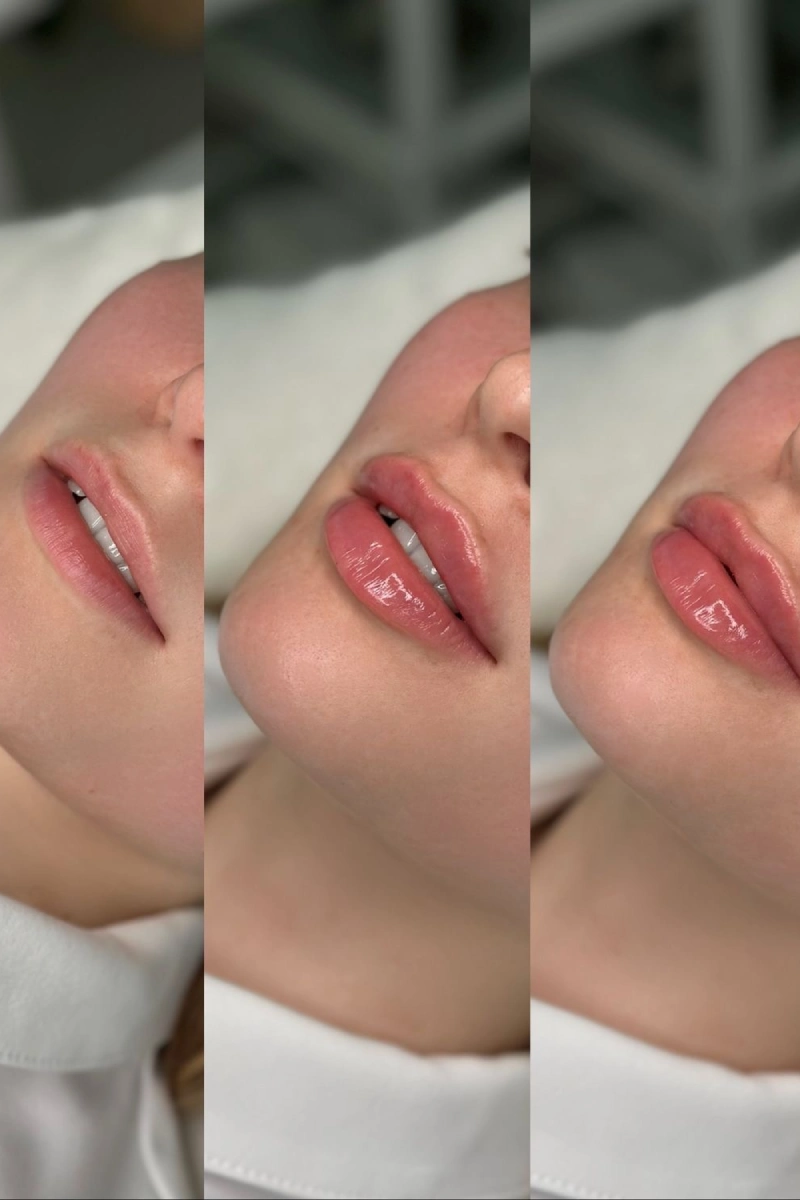
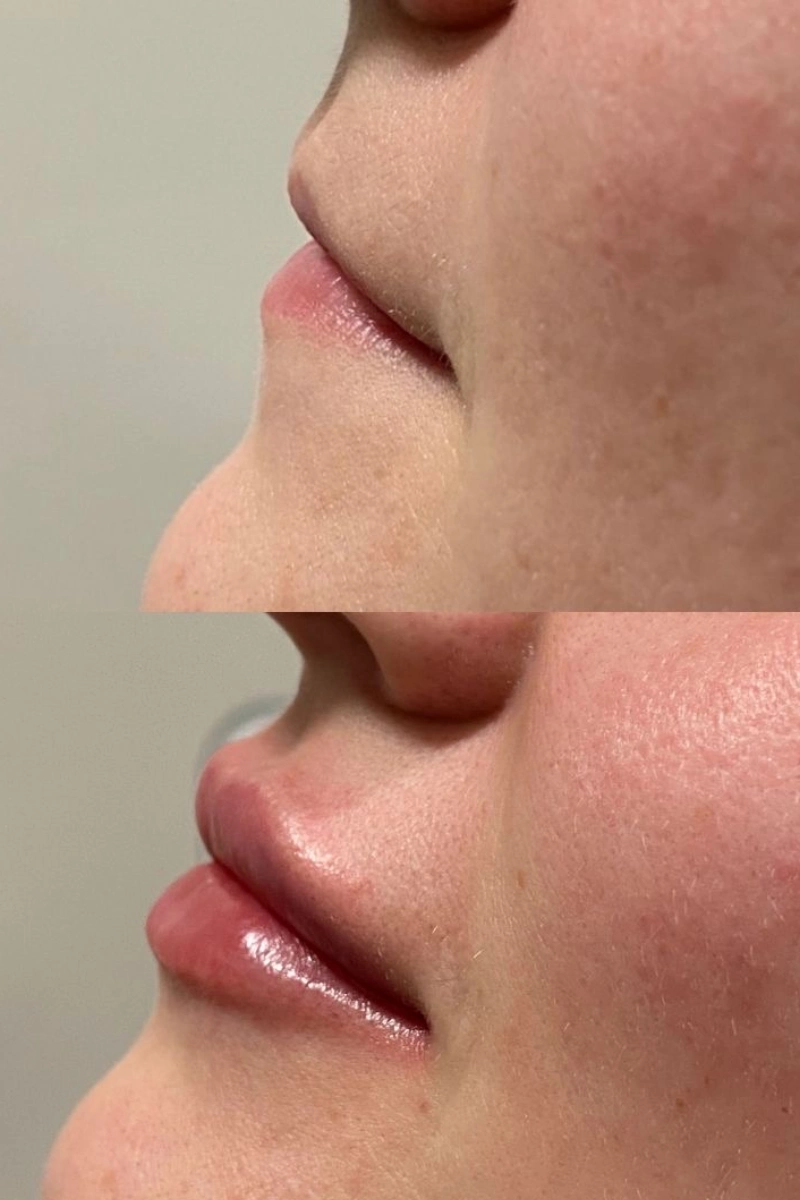
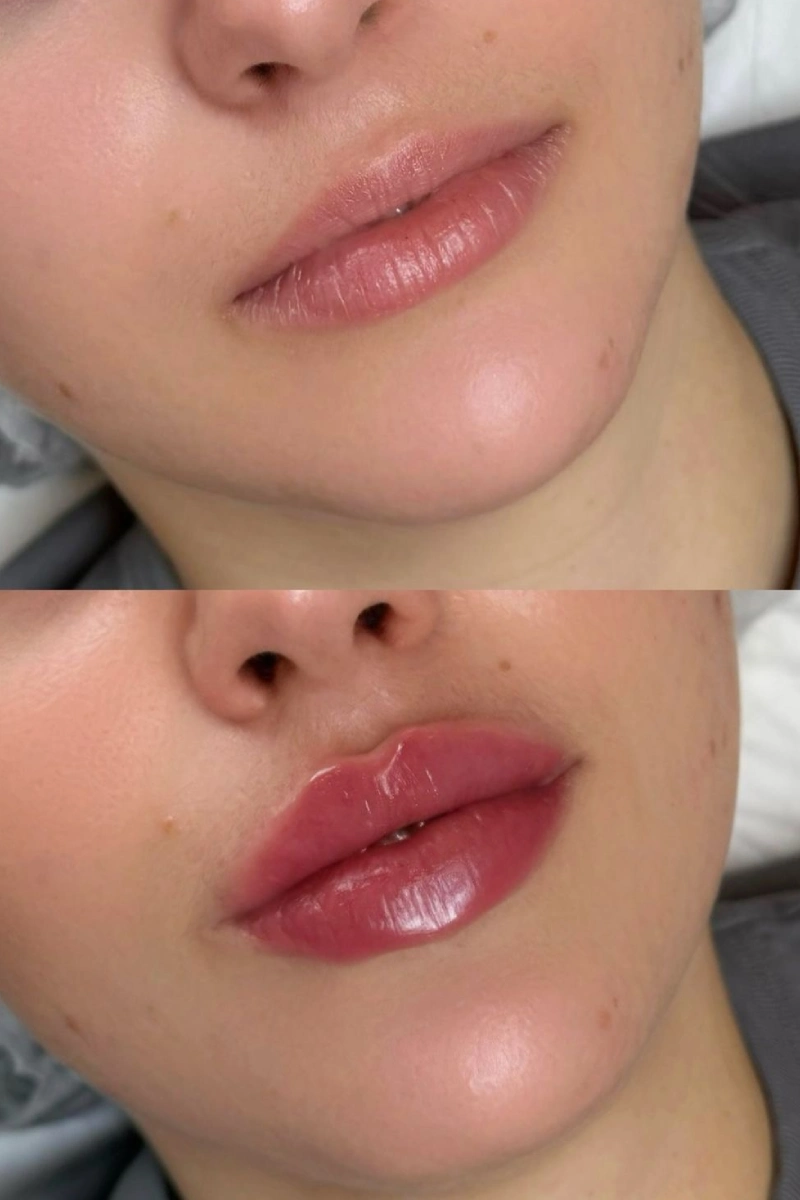
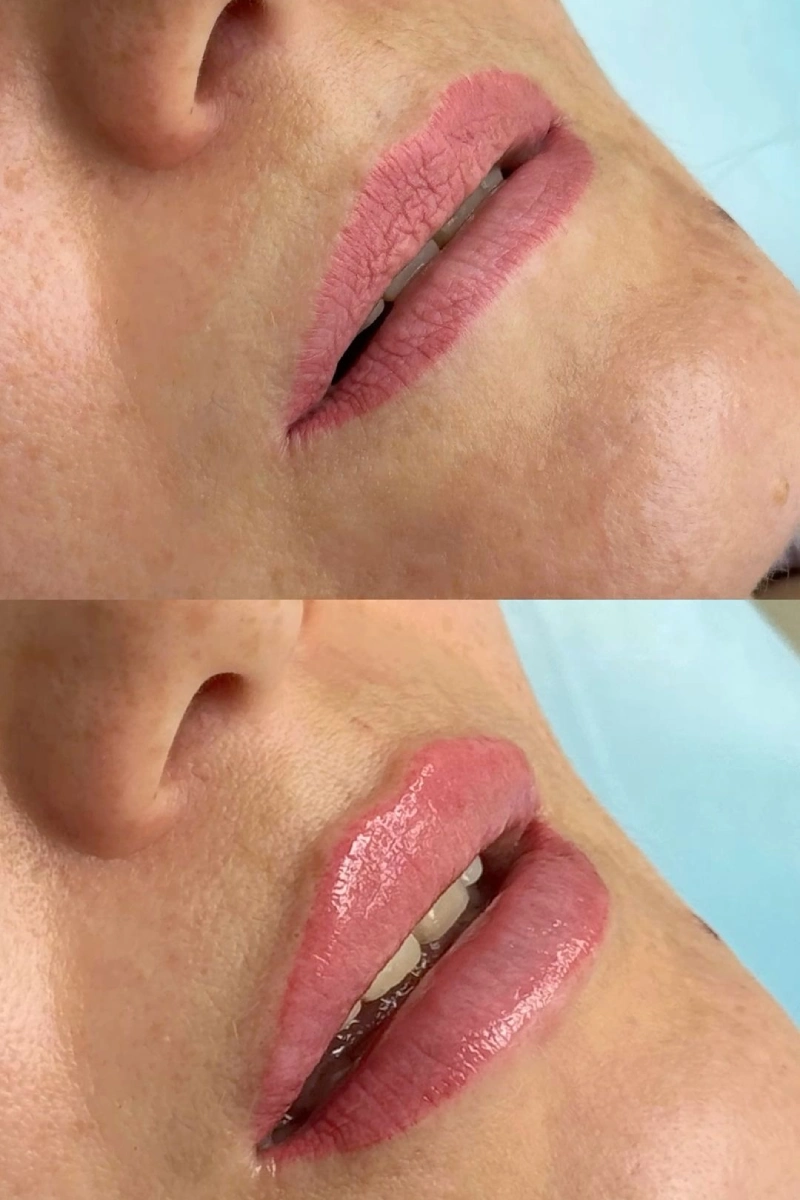
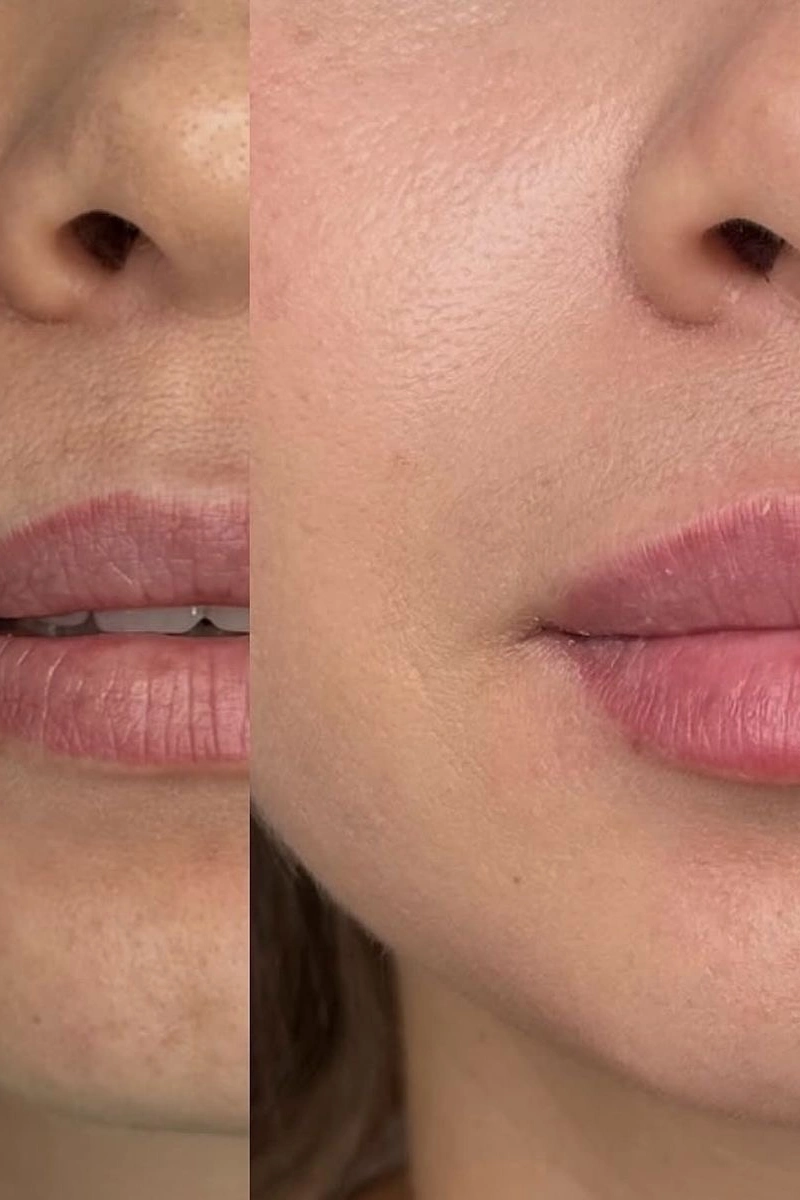
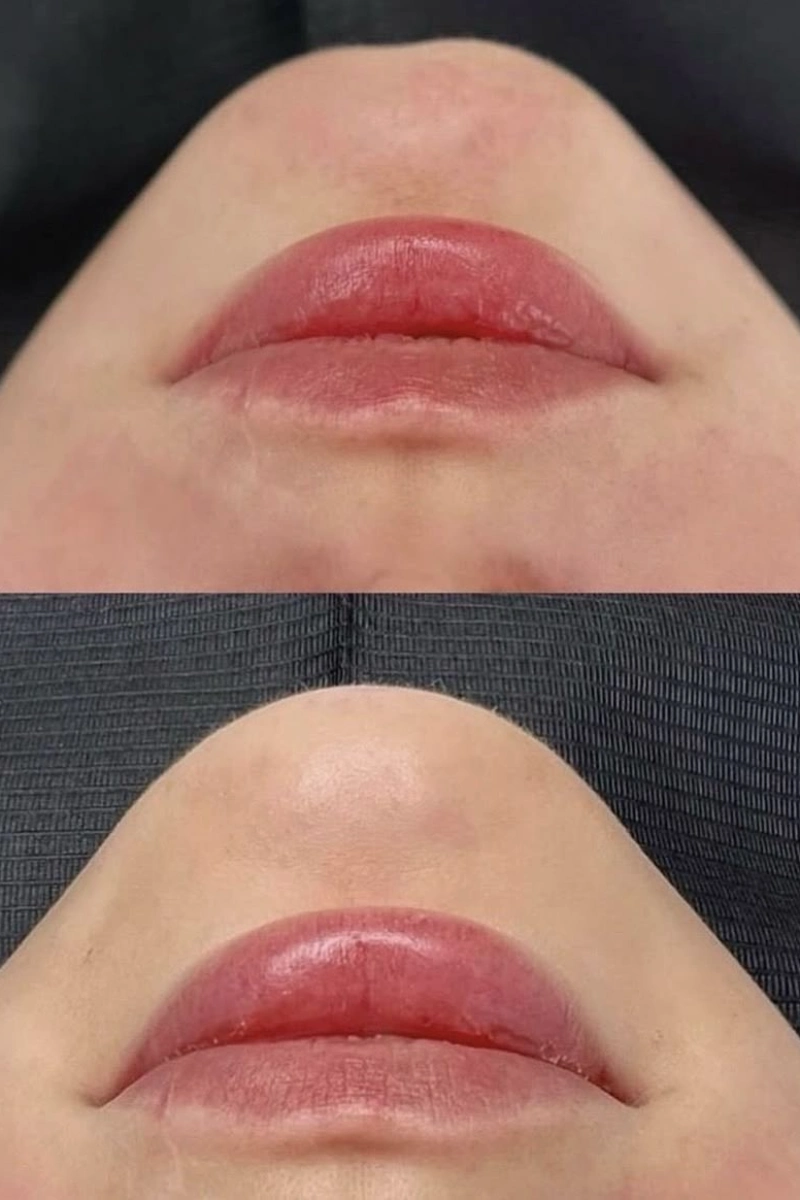
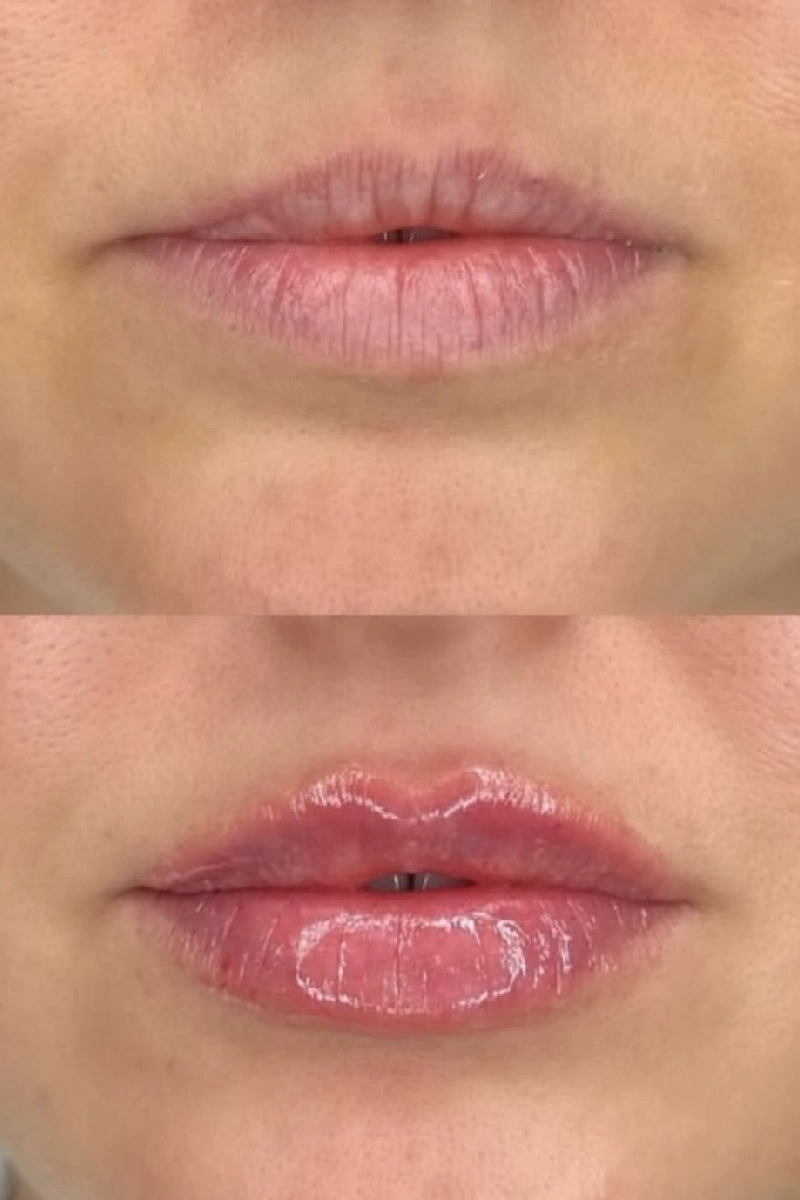
One of the most popular types of injection, it improves the volume, shape, and symmetry of the lips. The main goal in professional injection is a proportionate and natural result, not merely an increase in volume.
Chin Filler
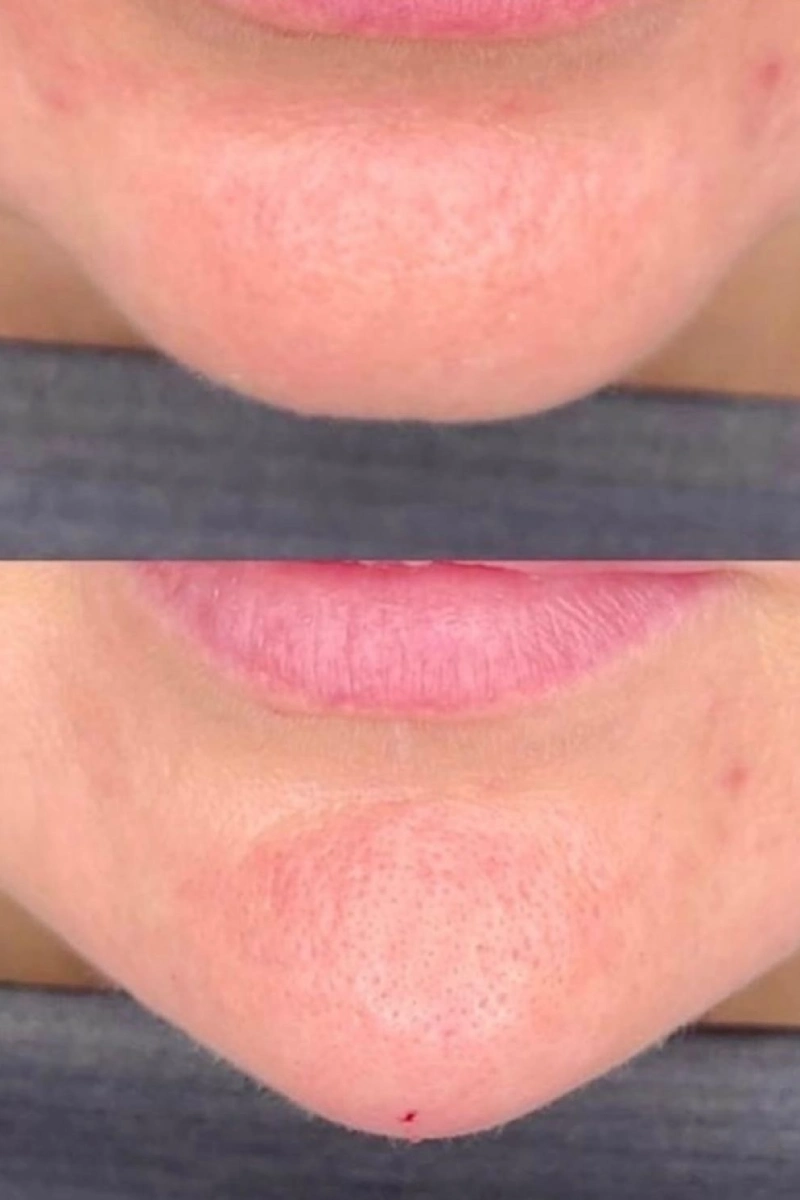
Chin filler refines the shape and projection of this area and can improve the proportion between the chin, lips, and nose; it has a particularly striking effect on the profile view.
Cheek Filler
With age, the cheeks lose their volume. By restoring this volume, cheek filler makes the face look younger and gives the jawline and cheeks a more defined appearance.
Temple Filler
Hollowing in the temple area can make the face look tired and older. Injecting filler in this area fills and smooths the upper part of the face and creates a softer transition between the forehead and the cheeks.
Tips and Aftercare Following Dermal Filler Injection
Proper aftercare plays an important role in the longevity of the result and in reducing potential side effects.
Sleeping After Filler Injection
It is recommended that, at least for the first one or two nights, you sleep on your back with your head slightly elevated and avoid applying direct pressure to the injection area. This helps the filler stay in place and reduces swelling.
Washing Your Face After Filler Injection
In the early hours, it’s best to avoid vigorously washing or massaging the injection area. After that, you can gently wash your face with lukewarm water and avoid rubbing or applying strong pressure. Also, stay away from intense heat such as saunas and direct sunlight for a few days.