
What Is Botox?
Botox is the brand name for a purified form of botulinum toxin type A, a protein produced by the bacterium Clostridium botulinum. In the tiny, controlled doses used in cosmetic and medical settings, it works by temporarily blocking the nerve signals that tell a muscle to contract. When a muscle can’t fully contract, the skin above it stops folding — and the dynamic wrinkles that form from repeated movement gradually smooth out.
It’s worth clearing up a common misconception: Botox doesn’t “fill” anything. Dermal fillers add volume; Botox relaxes movement. That distinction matters, because the two are often confused and they solve different problems. Botox targets wrinkles caused by muscle activity, such as frown lines and crow’s feet, while fillers address volume loss and static folds.
How Is Botox Injection Performed?
The procedure itself is refreshingly straightforward. After a consultation to map your facial movement and discuss your goals, the practitioner cleans the area and uses a very fine needle to inject small amounts of the product into specific muscles. A typical session takes around 10 to 20 minutes, which is why it’s often called a “lunchtime treatment.”
Most people describe the sensation as a brief pinch rather than real pain, and numbing cream is available if you’re sensitive. There’s no general anesthetic and no downtime in the usual sense — you can drive yourself home and return to most daily activities right away.
A few aftercare points genuinely matter: avoid rubbing or massaging the treated area for the rest of the day, skip intense exercise, saunas, and lying flat for several hours, as these can encourage the product to migrate from where it was placed. Results don’t appear instantly. You’ll typically see the first changes within 3 to 5 days, with the full effect settling in around two weeks.
Applications of Botox Injection
People tend to think of Botox as purely cosmetic, but its uses split into two broad and equally important categories. Understanding both helps explain why it’s one of the most studied and widely used treatments in modern medicine.
Cosmetic Uses of Botox
On the aesthetic side, Botox is used to soften dynamic wrinkles — the lines that deepen when you frown, squint, or raise your eyebrows. The most common targets are frown lines between the brows, horizontal forehead lines, and crow’s feet around the eyes.
Beyond wrinkle reduction, skilled injectors use Botox for subtle reshaping: a gentle brow lift, slimming an overly square jawline by relaxing the masseter muscles, or softening a “gummy” smile. The aim of good cosmetic work isn’t to erase all movement but to take the edge off tension lines while keeping your expressions natural.
Therapeutic Uses of Botox
The medical applications are where Botox first proved its value, and they’re substantial. It’s an established treatment for chronic migraine, excessive sweating (hyperhidrosis), teeth grinding and jaw clenching (bruxism), certain eye-muscle disorders, and muscle spasticity following conditions like stroke. In these cases the goal isn’t appearance at all — it’s relief from a condition that affects daily life.
This therapeutic track record is part of why Botox has such a strong safety profile when administered by qualified professionals: it has decades of clinical use behind it across a wide range of medical specialties.
Types of Botox
“Botox” is technically one brand, but several botulinum toxin type A products are used worldwide. They share the same active mechanism but differ slightly in formulation, diffusion, onset, and dosing units — which is why units are not interchangeable between brands. Here are the ones you’re most likely to encounter.
Meditoxin
Meditoxin is a botulinum toxin type A produced in South Korea and widely used across Asian markets. It’s valued for being cost-effective while delivering comparable wrinkle-relaxing results to longer-established brands. As with any product, what matters most is that it’s genuine, properly stored, and administered by a trained injector — not the brand name alone.
Dysport
Dysport is one of the most established alternatives to Botox, manufactured in Europe and used globally for decades. It tends to have a slightly faster onset for some people and is known for spreading a little more widely from the injection point, which can make it well suited to larger areas like the forehead. Its dosing units differ from Botox’s, so a higher number of Dysport units does not mean a stronger treatment.
Neuronox
Neuronox is another South Korean botulinum toxin type A, often considered comparable in profile to the original Botox formulation. It’s popular in many clinics as a reliable, more accessible option and is used for the same range of cosmetic indications, from frown lines to crow’s feet.
Xeomin
Xeomin is a German-made botulinum toxin sometimes described as a “naked” or purified formulation, because it contains the active molecule without the surrounding complexing proteins found in some other products. In theory this may reduce the chance of the body developing resistance over time, which can make it a useful option for people who’ve had many treatments. Its effects and uses are otherwise very similar to those of other type A products.
Key Botox Injection Points on the Face
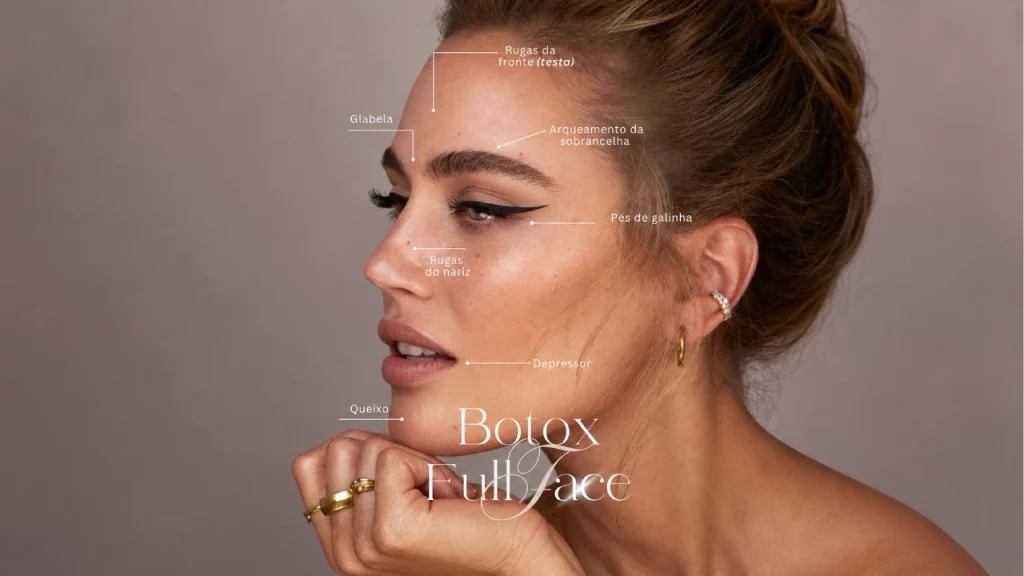
Facial Botox is all about precision — the difference between a refreshed look and an unnatural one comes down to which muscles are treated and how much product is used. Below are the most common facial injection zones.
Forehead Lines
These are the horizontal lines that appear when you raise your eyebrows. Botox relaxes the frontalis muscle to soften them. Because this muscle also lifts the brows, forehead treatment requires a careful touch — too much can leave the brows feeling heavy, which is why experienced injectors usually treat this area conservatively.
Frown Lines (Glabella)
The vertical “11” lines between the eyebrows are one of the most requested treatment areas. Relaxing the muscles here can dramatically soften a permanently stern or worried expression, and the glabella is also a key zone in migraine treatment.
Crow’s Feet
These are the fine lines that fan out from the outer corners of the eyes when you smile. Botox softens them while leaving your smile intact — the goal is to ease the etched lines, not your ability to express joy.
Brow Lift
By selectively relaxing the muscles that pull the brows downward, an injector can create a subtle lift that opens up the eye area. It’s a small adjustment with a noticeable effect, giving a more awake, lifted appearance without surgery.
Bunny Lines
Bunny lines are the diagonal wrinkles that appear across the bridge and sides of the nose when you scrunch it. A few small, precise injections relax these without affecting the rest of your expression.
Lip Lines (Smoker’s Lines)
These vertical lines around the mouth — which form with or without smoking — can be softened with very small doses of Botox. Because the muscles around the mouth are involved in speaking and eating, this is a delicate area treated with minimal product to avoid affecting function.
Chin Lines (Orange-Peel Chin)
When the chin develops a dimpled, pebbled texture (often called “orange-peel” or “cobblestone” chin), it’s caused by overactivity of the mentalis muscle. Relaxing this muscle smooths the surface of the chin and restores a softer contour.
Neck Lines (Platysmal Bands)
The vertical cords that become prominent on the neck with age are the platysma muscle bands. A technique sometimes called the “Nefertiti lift” uses Botox along these bands to soften their appearance and create a smoother neck and jawline definition.
Key Botox Injection Points on the Body
Botox isn’t limited to the face. Several body applications are primarily medical, addressing conditions that can genuinely disrupt comfort and confidence.
Underarms (Excessive Sweating)
Botox is a well-established treatment for axillary hyperhidrosis — excessive underarm sweating that doesn’t respond to antiperspirants. It blocks the nerve signals to the sweat glands, and results in this area often last noticeably longer than facial treatments, sometimes up to several months or more.
Palms
Sweaty palms (palmar hyperhidrosis) can interfere with everything from handshakes to handling paper. Botox can significantly reduce palm sweating, though this area can be more sensitive to inject, so numbing measures are commonly used.
Soles of the Feet
The same principle applies to excessive foot sweating (plantar hyperhidrosis). Treatment reduces moisture and the discomfort and odor that come with it, improving day-to-day comfort and footwear choices.
Forehead and Scalp
For people who sweat heavily on the forehead and scalp, targeted Botox can reduce that perspiration. It’s a practical option for those whose sweating affects makeup, glasses, or general comfort throughout the day.
Neck and Shoulder Muscles
Botox is used in the neck and shoulder muscles — particularly the trapezius — both to relieve chronic tension and, in some cases, to slim the appearance of bulky shoulder muscles. This can ease muscle-related discomfort and create a more elongated neckline.
Muscle Spasm and Cramping
In the hands, legs, and back, Botox is used therapeutically to relax involuntary muscle spasms and cramping associated with various neurological and musculoskeletal conditions. Here the focus is purely functional: reducing pain and improving movement.
How Long Does Botox Last?
For most people, the effects of a Botox treatment last around 3 to 4 months. After that, nerve signals gradually return to the muscle and movement comes back, which is why maintenance sessions are needed to keep results consistent.
Several factors influence longevity: your metabolism, the dose used, the area treated, your muscle strength, and how active you are. Faster metabolisms and very active muscles tend to break the effect down sooner. Interestingly, with regular treatment over time, some people find the muscles weaken slightly and they can space appointments further apart.
How to Make Botox Last Longer
There’s no magic trick, but a few habits genuinely help. Follow your aftercare instructions carefully in the first 24 hours, protect your skin from sun damage with daily SPF, stay hydrated, and avoid pushing for the cheapest possible product or undertrained injectors — quality and correct dosing matter. Some evidence suggests that managing stress and avoiding excessive, repetitive muscle strain in the treated area can also help results hold. Most importantly, follow a consistent treatment schedule rather than waiting until the effect has fully worn off.
Who Is Botox Suitable For?
Botox is generally suitable for healthy adults who want to soften dynamic wrinkles or treat a medical condition like hyperhidrosis or migraine. It’s not recommended during pregnancy or breastfeeding, for people with certain neuromuscular disorders, or for anyone with an allergy to its ingredients. A proper consultation always comes first — a good practitioner will review your medical history and tell you honestly whether the treatment is right for you.
It’s also worth setting realistic expectations: Botox works beautifully on lines caused by movement, but it does little for deep static folds or volume loss, which may need other treatments.
Botox for Men
Often nicknamed “Brotox,” Botox is increasingly popular among men who want to look less tired or stern without an obviously “done” appearance. Because men generally have stronger, larger facial muscles, they often require higher doses than women. The technique also differs — men typically prefer to keep a flatter brow rather than the arched lift sometimes favored in women, so injection placement is adjusted accordingly.
Botox for Women
For women, Botox remains the most popular non-surgical cosmetic treatment worldwide, used both preventively in younger patients and correctively later on. Treatment is tailored to individual anatomy and goals, whether that’s softening frown lines, lifting the brow subtly, or smoothing crow’s feet — always with the aim of looking refreshed rather than altered.