What Are Dermal Fillers and What Are They Used For?
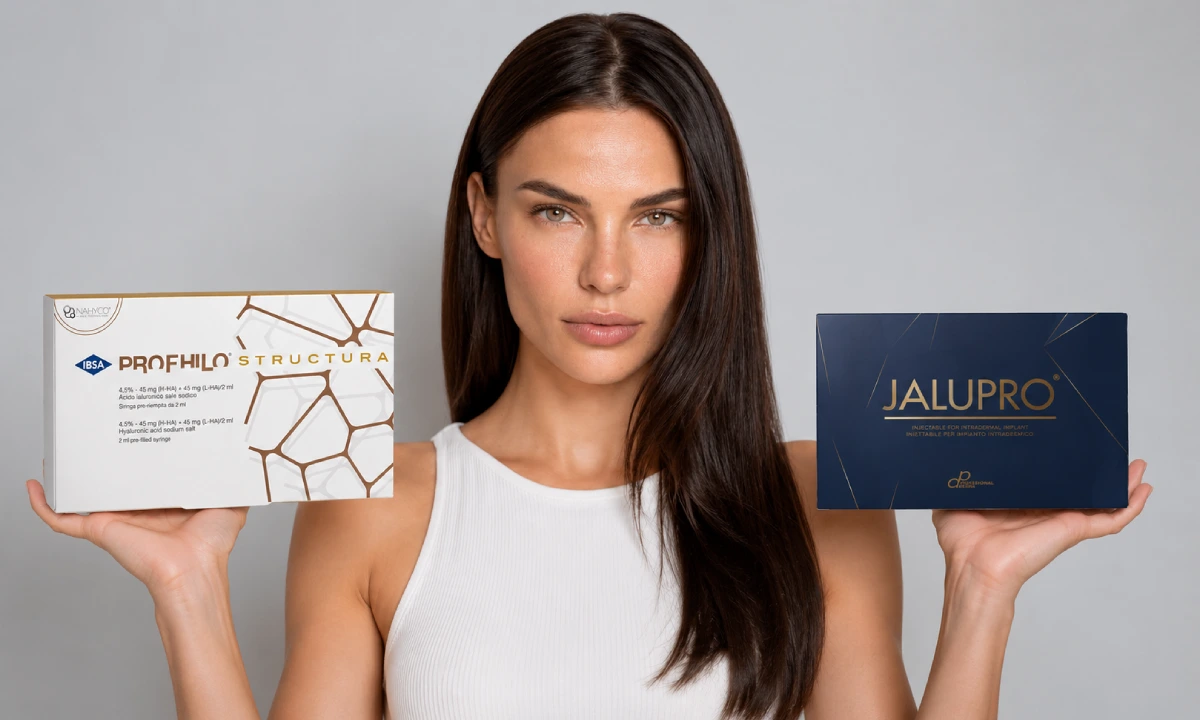
Dermal fillers are injectable materials placed beneath or within the skin to restore volume, support facial structures, improve symmetry or soften selected folds. Many temporary facial fillers contain hyaluronic acid, a naturally occurring substance that helps retain moisture within the skin.
Unlike Botox, fillers do not primarily reduce muscle contraction. Their effect comes from physically supporting tissues or adding controlled volume to areas that have become hollow, flat or poorly defined.
Common uses of dermal fillers include:
- Enhancing lip shape and volume
- Restoring volume in the cheeks or mid-face
- Improving chin projection
- Defining the jawline
- Correcting selected facial asymmetries
- Softening nasolabial folds and marionette lines
- Improving carefully selected under-eye hollows
- Restoring age-related volume loss
- Supporting non-surgical facial contouring
The choice of product, depth and injection technique varies considerably between areas. A soft, flexible filler may be preferred for mobile areas such as the lips, while a firmer product may be selected to provide structural support in the chin or jawline.
Fillers cannot correct every facial concern. They do not remove loose skin, treat pigmentation or permanently change facial anatomy. Overfilling can also make the face appear heavy or distorted, which is why successful treatment usually focuses on proportion rather than maximum volume.
Common temporary effects include swelling, tenderness, redness and bruising. Rare but serious complications may occur if filler unintentionally enters a blood vessel, potentially affecting the skin or eyesight. For this reason, filler treatment should be performed in a properly equipped medical setting by a suitably licensed practitioner who understands facial anatomy and complication management.
Internal linking opportunity: Dermal Fillers in Dubai: Types, Benefits, Risks and Aftercare
What Is Botox and What Is It Used For?
Botox is a brand name commonly used to describe botulinum toxin injections. Other licensed botulinum toxin products also exist. The treatment works by temporarily interrupting signals between selected nerves and muscles, reducing the strength of targeted muscle contractions.
In aesthetic medicine, botulinum toxin is most commonly used for dynamic wrinkles—lines that develop or deepen when facial muscles move.
Typical treatment areas include:
- Horizontal forehead lines
- Frown lines between the eyebrows
- Crow’s feet around the eyes
- Bunny lines on the nose
- A downward-pulling mouth corner in selected patients
- Chin dimpling
- Vertical neck bands
- A gummy smile in carefully assessed cases
- Prominent masseter muscles associated with a wide lower face or teeth grinding
Small amounts are injected into specific muscles rather than into wrinkles indiscriminately. The aim is normally to reduce excessive movement while preserving natural facial expression.
Botox does not fill hollow areas or add volume to the lips and cheeks. It may soften certain lines that are caused mainly by repeated movement, but deeply established wrinkles may not disappear completely with muscle relaxation alone.
Initial improvement is often noticed within several days, while the full effect may take approximately one to two weeks. Results are temporary and gradually fade as muscle activity returns. The American Academy of Dermatology reports that cosmetic effects commonly last approximately three to four months, although individual duration varies.
Botulinum toxin may not be suitable during pregnancy or breastfeeding, and patients should disclose neuromuscular conditions, medications, previous reactions and planned procedures during consultation.
Botox vs Filler Longevity: Which Lasts Longer?
Fillers generally remain visible longer than Botox, but comparing them only by duration can be misleading. They act on different tissues and are chosen for different objectives.
Botox usually lasts several months because its effect gradually decreases as communication between the nerve and muscle recovers. Filler longevity depends on the material, treatment area, injection depth, facial movement and the patient’s metabolism.
A filler that lasts longer is not automatically the better treatment. For example, a long-lasting chin filler cannot replace Botox for movement-related frown lines. Similarly, Botox cannot restore cheek volume that has been lost with age.
How Long Does Botox Last?
Cosmetic botulinum toxin usually lasts around three to four months, although some patients experience shorter or longer results.
Duration may be influenced by:
- The strength and size of the treated muscles
- The dose used
- The injection pattern
- The treatment area
- Individual metabolism
- Previous treatment history
- The specific licensed product
- The patient’s aesthetic goal
People with strong forehead or masseter muscles may notice movement returning sooner. Repeated treatment can sometimes produce a more stable pattern of muscle relaxation, but Botox should not be repeated unnecessarily or before appropriate clinical assessment.
The effect fades gradually. Most patients do not wake up one morning with the treatment completely gone. Instead, muscle movement returns over time and expression lines slowly become more noticeable.
How Long Do Dermal Fillers Last?
Many temporary hyaluronic acid fillers last approximately six to eighteen months, but there is no single duration that applies to every product or facial area.
Lip filler often breaks down sooner because the lips move frequently. Fillers placed in structurally stable areas such as the chin or jawline may remain noticeable for longer. Product characteristics, injection depth and the amount used also affect longevity.
Other factors include:
- Facial movement
- Metabolic rate
- Smoking
- Sun exposure
- Weight changes
- Skin quality
- Filler type and density
- Previous treatments
Visible improvement may persist even while the product gradually integrates and degrades. Patients should not schedule automatic top-ups simply because a certain number of months has passed. Additional treatment should be based on reassessment, facial balance and clinical need.
What Is the Difference Between Botox and Filler Injection Areas?
Botox is generally injected into muscles responsible for unwanted movement, whereas filler is placed into soft tissue planes or near structural support points to replace volume or alter contour.
Some regions can be treated with either product, but for entirely different reasons. The area alone does not determine the correct injection.
Common Botox Injection Areas
Botox is frequently used in the upper face because many wrinkles in this region are strongly related to repeated muscle contraction.
Common areas include:
- Forehead
- Glabella or frown lines
- Outer eye area
- Nasal bunny lines
- Chin
- Masseter muscles
- Neck bands
- Selected muscles around the mouth
For example, a line between the eyebrows that appears mainly when frowning is often related to glabellar muscle activity. Carefully placed botulinum toxin can reduce the movement that creates the line.
However, injecting too much or treating the wrong muscles may cause eyebrow heaviness, asymmetry or an unnatural expression. Assessment should therefore include eyebrow position, eyelid anatomy, muscle strength and existing facial asymmetry.
Common Dermal Filler Injection Areas
Dermal fillers are commonly used in areas where volume, projection or structural support is required.
Typical filler areas include:
- Lips
- Cheeks
- Chin
- Jawline
- Temples
- Nasolabial folds
- Marionette lines
- Selected under-eye hollows
- Selected nose-contouring cases
The under-eye region and nose require particular caution because of complex vascular anatomy and the possibility of serious complications. Not every hollow or shadow should be treated with filler. Pigmentation, fluid retention, prominent eye bags and skin laxity may require a different approach.
A medical injector should assess the entire face rather than treating each line as an isolated problem. Sometimes supporting the cheek produces a more balanced improvement than placing filler directly into a deep fold.
What Is the Difference Between the Botox and Filler Injection Process?
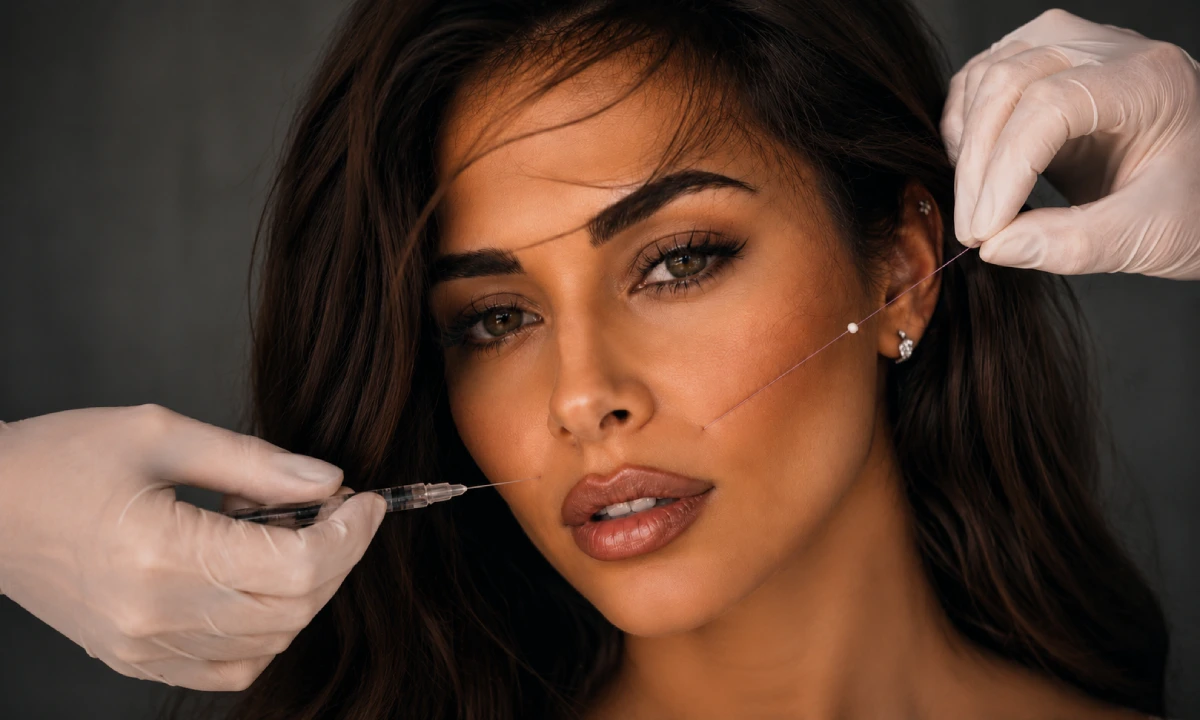
Botox is normally injected in very small quantities into selected muscles using a fine needle. The practitioner maps muscle movement by asking the patient to frown, smile, raise the eyebrows or clench the jaw. The total treatment is measured in units, although units are not directly interchangeable between every botulinum toxin brand.
Filler is injected according to volume, commonly measured in millilitres. It may be placed using a needle, a blunt-tipped cannula or a combination of both. The depth can range from superficial tissue to deeper structural planes, depending on the product and treatment goal.
Botox treatment is often completed within several minutes. Filler appointments may take longer because facial proportions, product distribution and symmetry need to be assessed throughout the procedure.
Pain is usually mild and temporary. Filler may cause more pressure, stretching or stinging because a gel is being placed into the tissue. Some filler formulations contain local anaesthetic, and numbing cream or other pain-control methods may be used.
Before either procedure, patients should provide a complete medical history, including medications, allergies, previous injectable treatments, pregnancy status, active infections and relevant medical conditions.
Is the Recovery Period Shorter for Botox or Fillers?
Botox usually has the shorter and more predictable recovery period. Many patients return to routine activities immediately, although small red marks, mild tenderness, a headache or minor bruising can occur.
Filler may produce more visible swelling, particularly in the lips and under-eye area. Swelling often improves over several days, although the time required varies by treatment area and individual response. Bruising, tenderness and temporary firmness are also possible.
After Botox, patients are commonly advised to avoid rubbing the treated area and to follow their practitioner’s instructions regarding exercise, heat exposure and lying down.
After filler, patients may be advised to avoid pressure, massage unless specifically instructed, intense exercise, excessive heat and alcohol for a short period. Recommendations vary according to the area and technique used.
Travellers and residents in Dubai should consider the local climate. Strong heat exposure, outdoor exercise and sauna use immediately after treatment may increase discomfort or swelling. Patients should also avoid scheduling lip or facial filler immediately before an important event because bruising and swelling cannot be predicted precisely.
Urgent medical assessment is required after filler if the patient develops increasing pain, unusual skin whitening, grey or mottled discolouration, visual disturbance or other sudden neurological symptoms. These are not normal recovery signs.
Comparing the Amount of Botox and Filler Injected
Botox and filler amounts cannot be compared using the same measurement. Botox is prescribed in units, while filler is generally measured in millilitres.
| Comparison point | Botox | Dermal filler |
| Main measurement | Units | Millilitres |
| Primary target | Muscle activity | Volume and structure |
| Typical amount | Depends on muscle strength, area and product | Depends on facial anatomy, product and desired correction |
| Can products be directly compared? | No | No |
| Is more always better? | No; excessive dosing may weaken unwanted muscles | No; excessive volume may distort facial proportions |
| Treatment planning | Based on movement and muscle anatomy | Based on volume loss, shape and tissue support |
| Result adjustment | Usually reviewed after the effect develops | Assessed during treatment and after swelling settles |
A patient may need only a few precisely placed Botox injections, while another may require a broader treatment pattern. Similarly, one millilitre of filler may be sufficient for subtle lip refinement but inadequate for multi-area facial restoration.
The objective should be the smallest appropriate amount that achieves a balanced result, not the highest number of units or syringes.
Do Fillers or Botox Look More Natural?
Either treatment can look natural when the diagnosis, dose and technique are appropriate. Either can also look unnatural when used excessively or for the wrong indication.
Natural Botox should soften excessive movement without making the face expressionless. Natural filler should improve proportion and support without creating obvious swelling, stiffness or exaggerated contours.
The best result often comes from respecting the patient’s existing anatomy. A person with dynamic forehead lines may look more natural with conservative Botox than with filler placed directly into the forehead. A patient with a recessed chin will generally benefit more from structural filler than from weakening nearby muscles.
Can Botox and Fillers Be Injected at the Same Time?
Yes, Botox and fillers can often be used during the same treatment plan, provided the patient is medically suitable and each product addresses a separate indication.
This approach is sometimes called a combination injectable treatment. For example, Botox may soften frown lines while filler restores cheek or chin support. The treatments are complementary rather than interchangeable.
Combination treatment should not mean treating every available area. A responsible plan identifies the main causes of concern, prioritises the most useful interventions and avoids unnecessary injections.
In some cases, a practitioner may prefer to stage the procedures. Treating muscle movement first and reassessing after one or two weeks can clarify whether filler is still needed. The sequence depends on anatomy, treatment areas and the intended result. The AAD notes that individual plans may include fillers alongside botulinum toxin or other procedures.
Are Botox Side Effects Less Serious Than Filler Side Effects?
Both procedures can cause mild, temporary side effects. The type of serious complication differs, so neither should be described as completely risk-free.
Common Botox-related effects include:
- Injection-site pain
- Redness
- Bruising
- Temporary headache
- Eyebrow or eyelid drooping
- Facial asymmetry
- Unwanted weakness in a nearby muscle
Rarely, botulinum toxin effects may spread beyond the intended area and cause more serious symptoms, including swallowing or breathing difficulty. Approved botulinum toxin products carry important safety warnings, and counterfeit or improperly sourced products increase risk.
Common filler-related effects include:
- Swelling
- Bruising
- Tenderness
- Redness
- Temporary lumps or firmness
- Asymmetry
- Delayed inflammatory reactions
- Infection
A rare but potentially severe filler complication is vascular occlusion, in which product obstructs or compresses a blood vessel. This may cause skin injury and, in extremely rare cases, visual impairment or stroke.
Patients may be unsuitable for treatment if they have an active skin infection, uncontrolled medical condition, significant allergy to product ingredients or unrealistic expectations. Pregnancy and breastfeeding are additional reasons to postpone many elective injectable treatments.
Safety in Dubai also depends on choosing a licensed medical facility and an appropriately licensed healthcare professional working within an approved scope of practice. DHA standards require non-surgical cosmetic procedures to be delivered by properly authorised professionals in compliant facilities.
Conclusion: Is Botox Better Than Fillers?
Botox is generally the better choice for wrinkles caused mainly by facial movement. Fillers are generally more appropriate for volume loss, hollow areas, weak facial projection and selected static folds.
The decision can be simplified as follows:
- Choose Botox when the concern appears mainly during movement, such as frowning, smiling or raising the eyebrows.
- Consider filler when the concern remains at rest because of volume loss or structural deficiency.
- Consider a combination when both muscle activity and volume loss contribute to the appearance.
- Consider another treatment when the main issue is skin laxity, pigmentation, texture or significant sagging.
Age alone should not determine the choice. A younger adult may seek filler for a naturally recessed chin, while an older patient may need only conservative Botox for dynamic forehead lines. Conversely, some patients should not receive either treatment.
A proper consultation should examine facial movement, bone structure, fat distribution, skin quality, symmetry, medical history and the patient’s expectations before recommending treatment.
What Is the Difference Between Botox and Filler Results?
Botox produces a gradual reduction in muscle movement. The face normally begins to look smoother within several days, with the full effect developing over approximately one to two weeks.
Filler usually creates an immediate change in volume or contour, although swelling can temporarily exaggerate the result. The final appearance becomes easier to assess once swelling and tissue sensitivity settle.
Botox results are movement-dependent and temporary. Filler results are structure- and volume-dependent and often last longer. Neither treatment permanently stops facial ageing, and both may require maintenance if the patient wishes to preserve the effect.